
Call us now :07971405282
 Send Inquiry
 Send Inquiry
ANALYTICAL BALANCES
MOQ : 1 Piece
ANALYTICAL BALANCES Specification
- Display Type
- LCD digital display
- Glass Type
- Draft shield glass
- Control Type
- Electronic touch keypad
- Shape
- Rectangular
- Power Supply
- AC mains
- Accuracy
- 0.1 mg
- Temperature Resistance
- 5C to 35C
- Features
- Tare function, Auto calibration, Overload protection, Stable indication, RS232 interface
- Usage
- Laboratory
- Type
- ANALYTICAL BALANCES
- Dimension (L*W*H)
- 340 x 215 x 340 mm
- Product Type
- ANALYTICAL BALANCES
- Equipment Type
- Analytical Balance
- Equipment Materials
- High grade ABS housing, stainless steel pan
- Power
- 220V AC, 50/60 Hz
- Voltage
- 220 V
- Material
- ABS plastic, Stainless steel
- Application
- Laboratory weighing, chemical analysis, research, quality control
- Warranty
- 1 Year
- Response Time
- 3 seconds
- Linearity
- 0.2 mg
- Operating Temperature
- 5C to 35C
- Repeatability
- 0.1 mg
- Readability
- 0.1 mg
- Calibration
- External / Internal (depending on model)
- Pan Size
- 90 mm
- Maximum Capacity
- 220 g
ANALYTICAL BALANCES Trade Information
- Minimum Order Quantity
- 1 Piece
- Supply Ability
- 100 Pieces Per Month
- Delivery Time
- 7 Days
About ANALYTICAL BALANCES
Reliable analytical results begin with accurate weighing. Proper sample preparation and careful data handling are crucial.
When there is no room for compromise, when you need great performance and durability, robust and easy-to-use analytical balances are the perfect choice.
Our analytical balances have a wide range of readabilities from 0.001 mg to 0.1 mg, and capacities from 54 g upto 500 g that cover all of your analytical workflows.
Precision and Speed for Laboratory Weighing
Engineered for laboratories, these analytical balances deliver fast response times of 3 seconds and accuracy of 0.1 mg. Their external or internal calibration maintains consistent performance, while the draft shield glass prevents air currents and improves measurement stability. The instruments electronic controls and LCD display offer intuitive operation for researchers and technicians.
Durability and Robust Construction
With high-grade ABS plastic housing and a stainless steel weighing pan, these balances are built for durability and long-term use. Operating safely within temperatures of 5C to 35C and powered by 220V AC mains, they are suited for intense laboratory environments. Stable indication and overload protection add further reliability during delicate measurements.
Versatile Applications and Advanced Features
These analytical balances meet a range of laboratory needs, such as chemical analysis, research, and quality control, thanks to their advanced features. Auto calibration simplifies operation and ensures ongoing accuracy. The RS232 interface enables seamless connection to computer systems for data logging and analysis, enhancing workflow efficiency.
FAQs of ANALYTICAL BALANCES:
Q: How do you calibrate the analytical balance and what types of calibration are available?
A: The analytical balance features both external and internal calibration depending on the model. External calibration requires standard weights and manual adjustment, while models with internal calibration perform automatic adjustments using built-in mechanisms, ensuring measurement accuracy without the need for external weights.Q: What is the process for weighing samples using this analytical balance?
A: Begin by powering on the balance and allowing it to stabilize. If needed, calibrate the unit. Place your sample container on the pan and use the tare function to zero the display. Add your sample, ensuring the draft shield glass doors are closed to prevent airflow interference. Record the reading once the LCD display shows a stable indication.Q: Where can this analytical balance be used effectively?
A: This balance is ideal for laboratory environments, including chemical analysis, pharmaceutical research, and quality control settings. Its precise measurement capabilities are tailored for applications where high accuracy, repeatability, and reliability are critical, such as weighing small quantities of powders or chemicals.Q: What advanced features does the balance offer for laboratory workflows?
A: The instrument provides a stable indication, auto calibration, overload protection, and an RS232 interface. These features enable users to safeguard measurements, automate adjustments, prevent errors due to excess load, and connect the balance to computers for efficient data transfer and analysis.Q: What are the benefits of using a balance with 0.1 mg readability and repeatability?
A: Balances with 0.1 mg readability and 0.1 mg repeatability deliver highly accurate and consistent results, reducing measurement uncertainty. This level of precision is essential for critical laboratory tasks that require exact mass determination and reliable reproducibility across multiple experiments.Q: How does the equipment ensure sample protection during weighing?
A: The glass draft shield prevents external air currents and dust from affecting sensitive measurements. By enclosing the weighing chamber, it minimizes disturbances, contributing to stable readings and enhanced accuracy in laboratory conditions.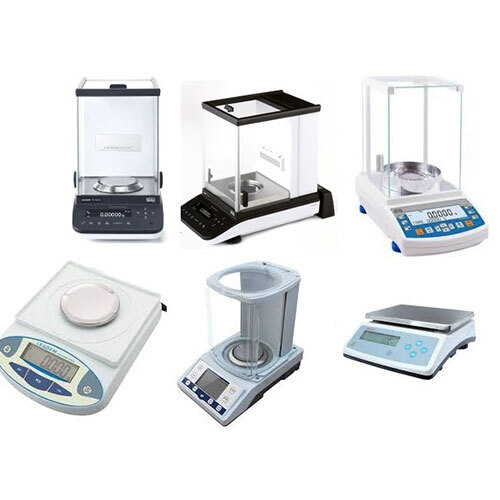
Tell us about your requirement

Price:
Quantity
Select Unit
- 50
- 100
- 200
- 250
- 500
- 1000+
Additional detail
Mobile number
Email

More Products in Quality Control Lab Category
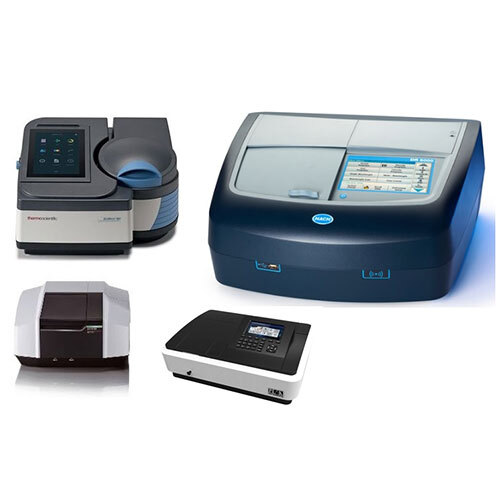
UV-VIS SPECTROPHOTOMETERS - SINGLE BEAM, DOUBLE BEAM
Minimum Order Quantity : 1 Piece
Material : Powder Coated Metal, Optical Glass
Warranty : 1 Year
Type : Other, UVVIS SPECTROPHOTOMETERS SINGLE BEAM, DOUBLE BEAM
Usage : Laboratory
Product Type : UVVIS SPECTROPHOTOMETERS SINGLE BEAM, DOUBLE BEAM
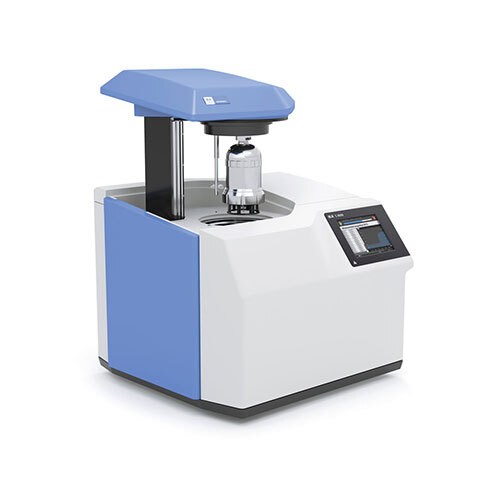
Bomb Calorimeter
Minimum Order Quantity : 1 Piece
Material : Mild Steel
Warranty : 1 Year
Type : Other, Bomb Calorimeter
Usage : Laboratory
Product Type : Bomb Calorimeter
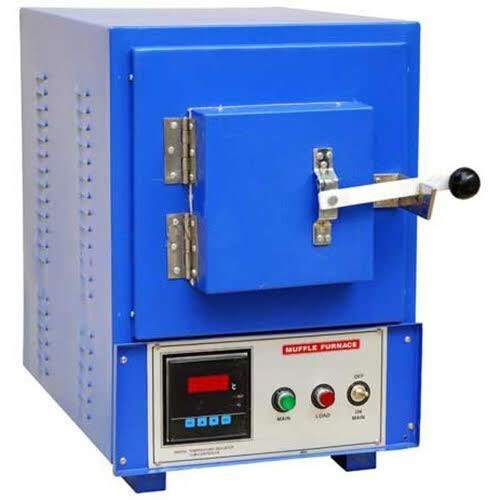
MUFFLE FURNACE
Minimum Order Quantity : 1 Piece
Material : Mild Steel
Warranty : 1 Year
Type : Other, Muffle Furnace
Usage : Laboratory
Product Type : Muffle Furnace
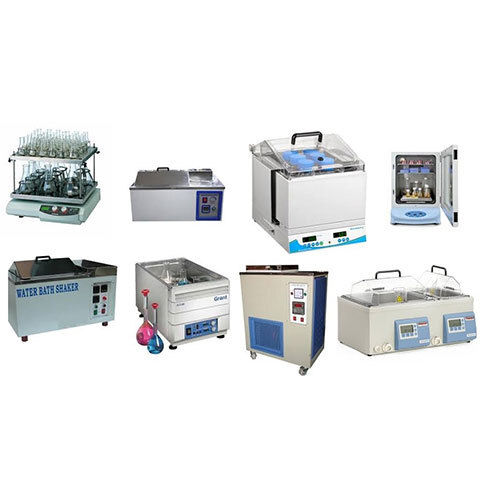
Shaker s
Minimum Order Quantity : 1 Number
Material : Mild Steel
Warranty : 1 Year
Type : Other, Shakers Orbital, Rotary, Water Bath
Usage : Laboratory
Product Type : Shakers Orbital, Rotary, Water Bath

 Send Inquiry
Our Products
- Quality Control Lab
- Biotechnology Lab
- Life Science & Biochemistry
- Nanotech Lab
- Medical & Biomedical Lab
- Metal Analyzing
- Pharmacy Lab
- Industrial Chemicals
- Foundry Alloys & Metals
- Micronutrients For All Crops
- Glasswares
- Lab Furniture
- EDP Equipments
- LABORATORY CHEMICALS
- Mechanical engineering
- Civil engineering
- Electrical/Electronics engineering
- Electronics & Communication engineerings
- Textile Technology
- aerospace/aeronautical engineering
- Automobile engineering

160, 6th Street Extension, 100 feet road, Gandhipuram, Coimbatore - 641012, Tamil Nadu, India

Mr C. S. R. Cholan
(Chief Executive Officer)
Mobile :07971405282
 Send Inquiry
 Send SMS
Developed and Managed by Infocom Network Private Limited.
