
Call us now :07971405282
 Send Inquiry
 Send Inquiry
UV-VIS SPECTROPHOTOMETERS - SINGLE BEAM, DOUBLE BEAM
MOQ : 1 Piece
UV-VIS SPECTROPHOTOMETERS - SINGLE BEAM, DOUBLE BEAM Specification
- Shape
- Rectangular
- Accuracy
- 0.5 nm (Wavelength)
- Power Supply
- 220 V, 50 Hz
- Display Type
- LCD (Large Digit) Display
- Glass Type
- Quartz Cuvette
- Features
- Wide Wavelength Range, Highly Stable, User Friendly Interface, Auto Zero, Direct Concentration Read Out, USB Port
- Control Type
- Microprocessor Based
- Temperature Resistance
- Ambient to 40C
- Usage
- Laboratory
- Type
- UV-VIS SPECTROPHOTOMETERS - SINGLE BEAM, DOUBLE BEAM
- Dimension (L*W*H)
- 480 x 360 x 225 mm
- Product Type
- UV-VIS SPECTROPHOTOMETERS - SINGLE BEAM, DOUBLE BEAM
- Equipment Type
- Single Beam/Double Beam Spectrophotometer
- Equipment Materials
- Metal, ABS, Optical Glass
- Power
- 80 W
- Voltage
- 220 V AC, 50 Hz
- Material
- Powder Coated Metal, Optical Glass
- Application
- Laboratory Analysis, Research, Chemical Analysis, Pharmaceutical, Education
- Warranty
- 1 Year
- Data Output Port
- USB, RS232
- Wavelength Range
- 190 nm - 1100 nm
- Sample Holder
- 4/8 Cell Holder (Depending on Model)
- Light Source
- Halogen Lamp & Deuterium Lamp
- Weight
- 13 kg (Approx)
- Spectral Bandwidth
- 2 nm / 1 nm
- Photometric Range
- -0.3 to 3.0 Abs
- Software
- PC Software Included
- Baseline Flatness
- 0.002 Abs
- Detector
- Silicon Photodiode
- Stray Light
- 0.05% T at 220 nm, 340 nm
- Wavelength Repeatability
- 0.2 nm
- Wavelength Setting
- Automatic
UV-VIS SPECTROPHOTOMETERS - SINGLE BEAM, DOUBLE BEAM Trade Information
- Minimum Order Quantity
- 1 Piece
- Supply Ability
- 100 Pieces Per Month
- Delivery Time
- 7 Days
About UV-VIS SPECTROPHOTOMETERS - SINGLE BEAM, DOUBLE BEAM
Delivers top performance for both routine laboratory tasks and demanding photometry applications.
Designed for the effective work in professional laboratories. Intelligent software supports the lab manager in the calibration routine, quality assurance and development of customized application. Offers high speed wavelength scanning across the UV and Visible Spectrum.
With optional accessories allowing for high volume testing via a carousel sample changer, and increased accuracy with a sample delivery system which eliminates optical difference errors, this instrument ensures you are ready to handle your wide-ranging water testing needs.
Exceptional Measurement Capabilities
This series covers a wide wavelength range (1901100 nm) with precise spectral bandwidths, supporting varied laboratory requirements. Its automatic wavelength setting and high wavelength repeatability guarantee consistent, accurate analytical results for routine analysis, research, and quality control.
User-Friendly and Robust Design
Featuring a large LCD display and a microprocessor-based control system, these spectrophotometers streamline operations for users. Constructed with powder-coated metal and optical glass, the instruments are both sturdy and resistant to laboratory conditions, making them suitable for continuous usage.
Enhanced Connectivity and Data Management
Equipped with USB and RS232 ports, data export is speedy and convenient for documentation. Integrated PC software allows for advanced data analysis, storage, and reporting, supporting detailed study and record-keeping essential in scientific and academic environments.
FAQs of UV-VIS SPECTROPHOTOMETERS - SINGLE BEAM, DOUBLE BEAM:
Q: How does a double beam UV-VIS spectrophotometer differ from a single beam model in operation?
A: A double beam spectrophotometer simultaneously measures sample and reference beam intensities, minimizing errors from fluctuations in light source or detector. Single beam models measure each separately, requiring manual baseline correction. This distinction enhances stability and accuracy in double beam devices, particularly for critical quantitative applications.Q: What is the process for setting wavelengths on these spectrophotometers?
A: These instruments employ automatic wavelength setting controlled by a microprocessor. Users select the desired wavelength via the LCD display, and the spectrophotometer automatically adjusts the grating to the correct position, ensuring high repeatability (0.2 nm) and accuracy (0.5 nm) without manual intervention.Q: Where is this UV-VIS spectrophotometer typically used?
A: It is widely utilized in laboratory analysis, research institutions, chemical quality control, pharmaceutical testing, and educational environments. Its robust design and precise measurement capabilities make it ideal for applications ranging from substance quantification to material characterization.Q: What are the benefits of using a quartz cuvette in this spectrophotometer?
A: Quartz cuvettes offer broad transparency across the UV and visible spectrum, enabling accurate measurements within the instruments wavelength range (1901100 nm). Their chemical inertness and temperature resistance (ambient to 40C) contribute to reliability and reproducibility in complex analyses.Q: When should baseline flatness and stray light specifications be considered in operation?
A: Baseline flatness (0.002 Abs) and stray light (0.05% T at 220 nm, 340 nm) are important during sensitive measurements. These parameters help ensure the accuracy of absorbance readings, especially at low concentrations or in critical pharmaceutical and chemical assays, diminishing measurement noise and interference.Q: How is data transferred and managed from this spectrophotometer?
A: Data can be exported via USB and RS232 ports directly to a computer. Included PC software facilitates storing, analyzing, and reporting spectral data, streamlining laboratory workflows and supporting detailed record-keeping for regulatory or research purposes.Q: What advantages does the user interface offer in daily use?
A: The spectrophotometer features a large digit LCD display and user-friendly microprocessor control, simplifying routine operations such as wavelength selection, zeroing, and direct concentration readings. These features facilitate accurate measurements with minimal training required, enhancing productivity and reducing risk of user error.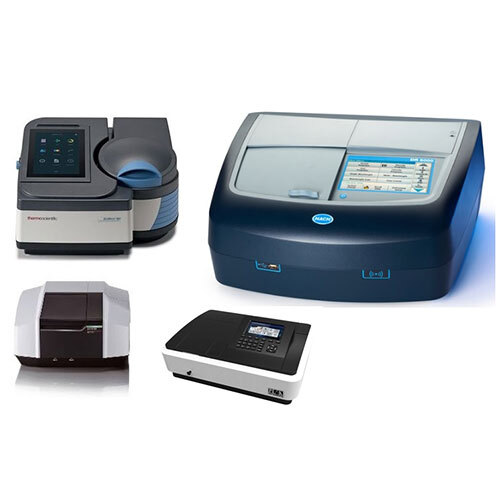
Tell us about your requirement

Price:
Quantity
Select Unit
- 50
- 100
- 200
- 250
- 500
- 1000+
Additional detail
Mobile number
Email

More Products in Quality Control Lab Category
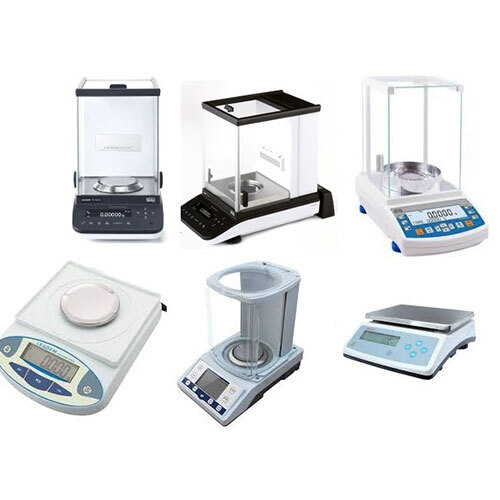
ANALYTICAL BALANCES
Minimum Order Quantity : 1 Piece
Material : ABS plastic, Stainless steel
Type : Other, ANALYTICAL BALANCES
Usage : Laboratory
Warranty : 1 Year
Product Type : ANALYTICAL BALANCES

Hot Air Oven
Minimum Order Quantity : 1 Unit
Material : Mild Steel
Type : Other, Hot Air Oven
Usage : Laboratory
Warranty : 1 Year
Product Type : Hot Air Oven
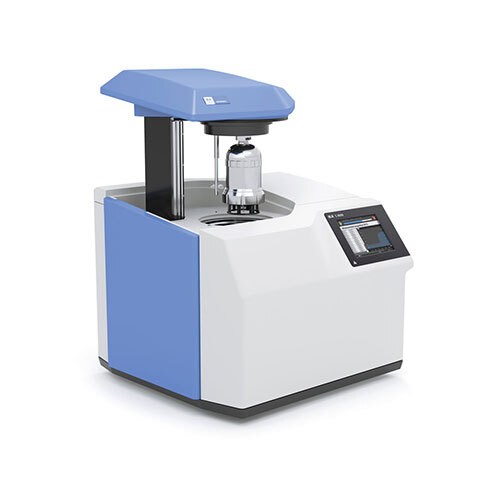
Bomb Calorimeter
Minimum Order Quantity : 1 Piece
Material : Mild Steel
Type : Other, Bomb Calorimeter
Usage : Laboratory
Warranty : 1 Year
Product Type : Bomb Calorimeter
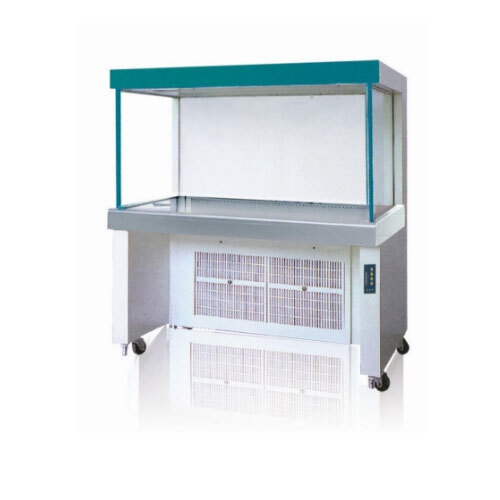
Laminar Air Flow
Minimum Order Quantity : 1 Piece
Material : Mild Steel
Type : Other, Laminar Air Flow
Usage : Laboratory
Warranty : 1 Year
Product Type : Laminar Air Flow

 Send Inquiry
Our Products
- Quality Control Lab
- Biotechnology Lab
- Life Science & Biochemistry
- Nanotech Lab
- Medical & Biomedical Lab
- Metal Analyzing
- Pharmacy Lab
- Industrial Chemicals
- Foundry Alloys & Metals
- Micronutrients For All Crops
- Glasswares
- Lab Furniture
- EDP Equipments
- LABORATORY CHEMICALS
- Mechanical engineering
- Civil engineering
- Electrical/Electronics engineering
- Electronics & Communication engineerings
- Textile Technology
- aerospace/aeronautical engineering
- Automobile engineering

160, 6th Street Extension, 100 feet road, Gandhipuram, Coimbatore - 641012, Tamil Nadu, India

Mr C. S. R. Cholan
(Chief Executive Officer)
Mobile :07971405282
 Send Inquiry
 Send SMS
Developed and Managed by Infocom Network Private Limited.
